The energy drain of the city
In the city of Hamburg today, I sat down to have lunch in the late afternoon. I felt exhausted. Partly from a head cold, partly because I’d walked kilometres and partly because I hadn’t eaten for 6 hours. But it felt like something else too. Like there was some kind of additional drain on my energy. I thought about whether I would feel as drained after walking for an equivalent 10 km in the bush? No. I usually feel energised. If I do feel exhausted, it’s a ‘good’ exhausted, like I know I’ll have a deep sleep that night.
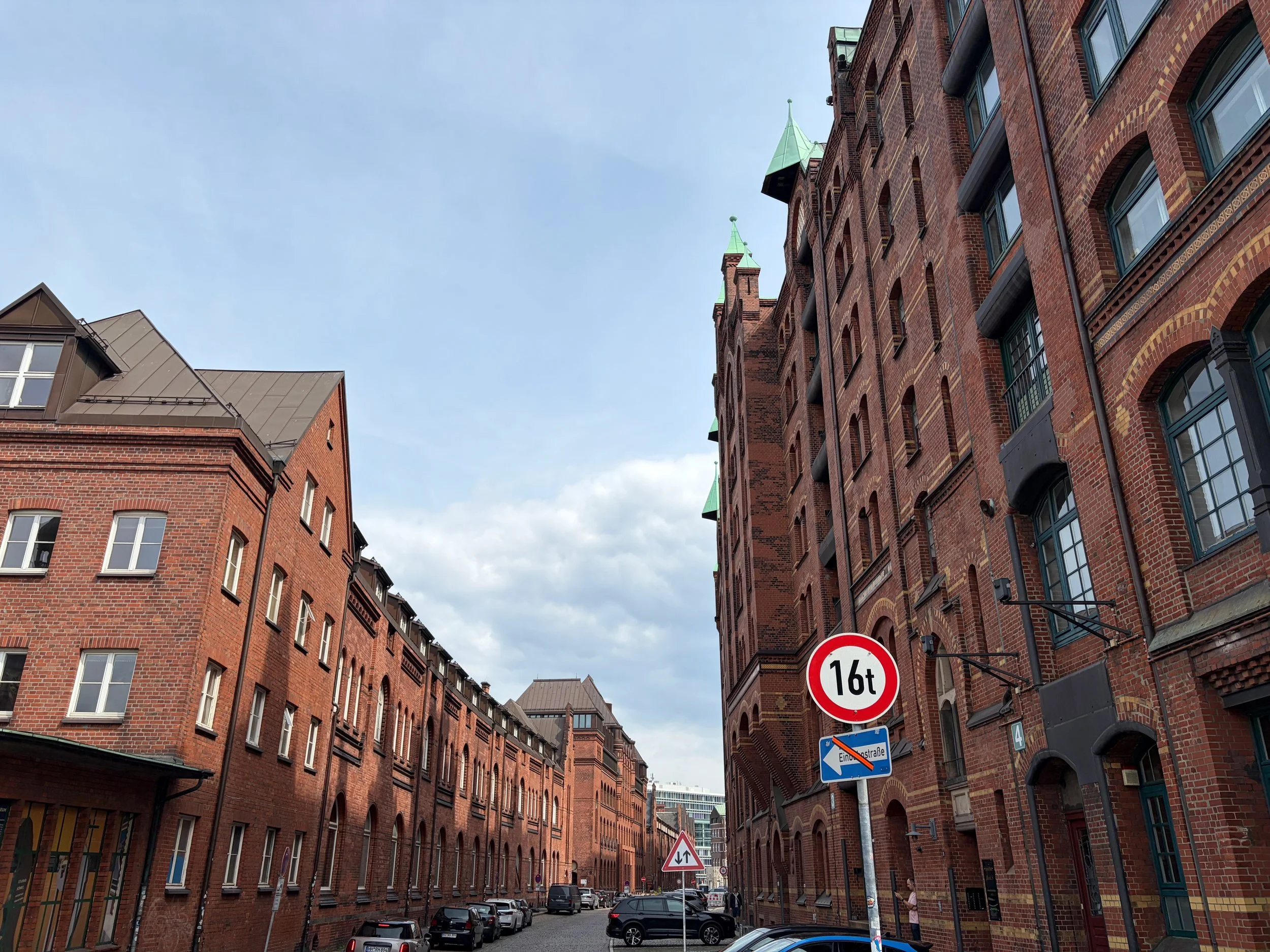
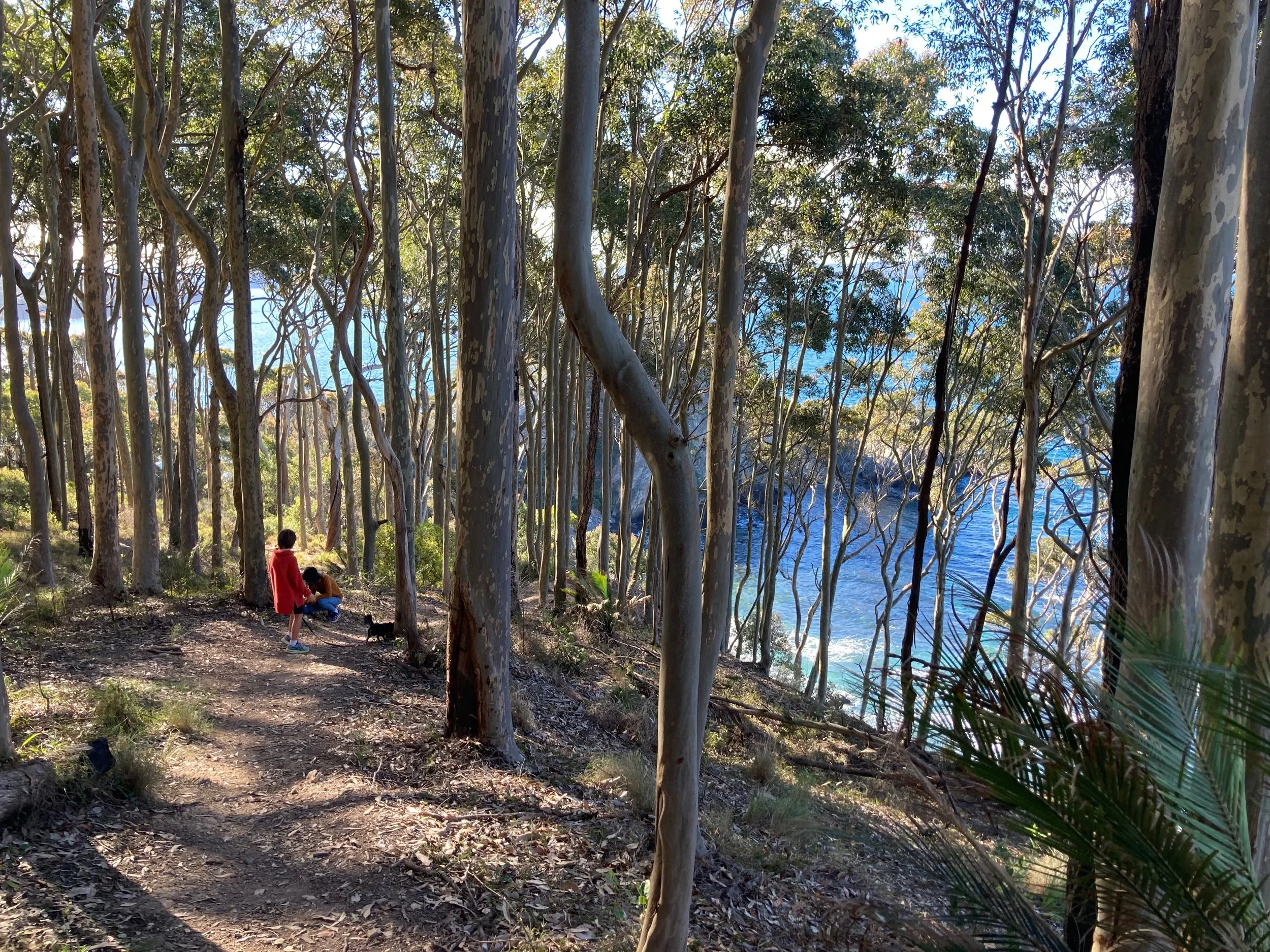
I wondered if it was about energy. Does an urban environment with it’s people, traffic, noises, cobbled streets, concrete, and brick buildings drain me more than a natural landscape? I couldn’t help but look into it. Yes, it seems attention restoration theory explains what’s going on:
“Nature, which is filled with intriguing stimuli, modestly grabs attention in a bottom-up fashion, allowing top-down directed-attention abilities a chance to replenish. Unlike natural environments, urban environments are filled with stimulation that captures attention dramatically and additionally requires directed attention (e.g., to avoid being hit by a car), making them less restorative.”
But it’s not just the stimulus of the city, it’s also it’s material nature. It turns out that the sympathetic nervous system responds differently to trees, grass and concrete: concrete environments do not restore physiological wellbeing, as measured through skin conductance levels. Fascinating. And helpful in not making me feel like I was imagining a different type of fatigue in the city. My body was likely responding in a physiological way: changes in electrical conductance of the skin resulting from neural activity of the sympathetic axis of the autonomic nervous system.
On the train home, I was soothed by the drowning out of the noises of the city, the quiet rocking of the train on its tracks, the increasing amount of greenery out the window. I wondered if the train trip for commuters is like a ‘transition phase’. In the mornings, preparing them for the sensory overload of the city, and in the evenings, signalling it is time to calm down and restore.
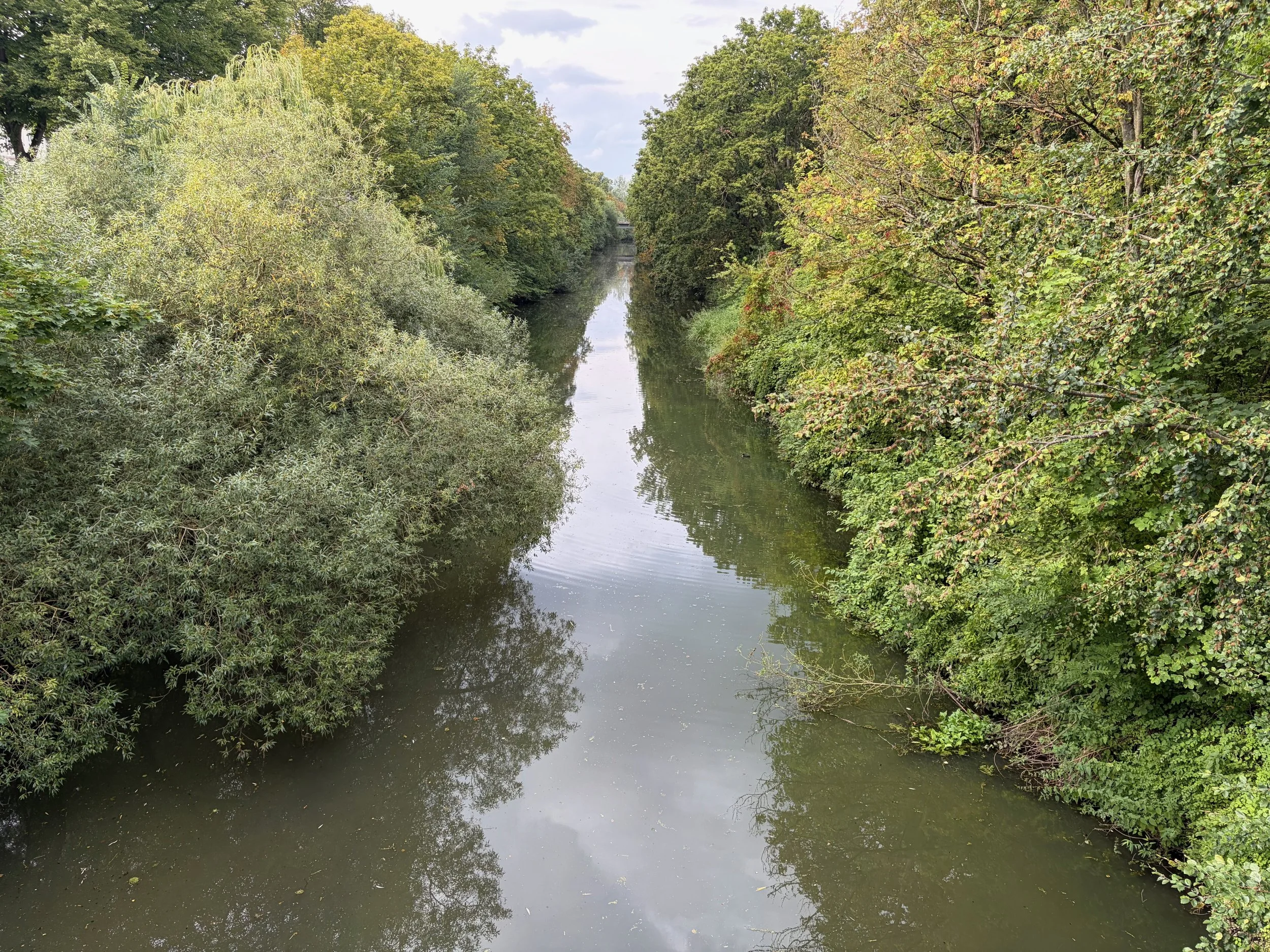
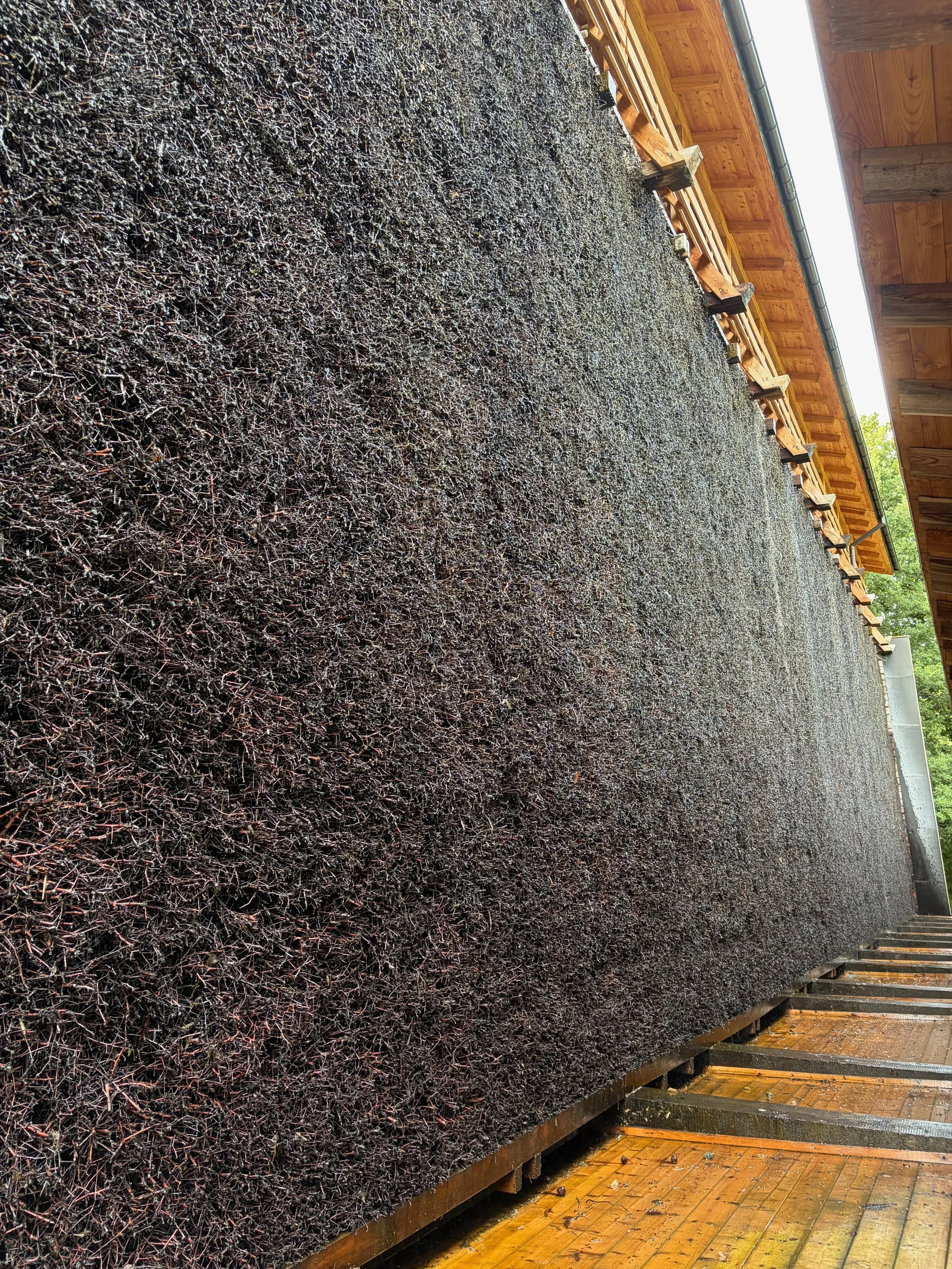
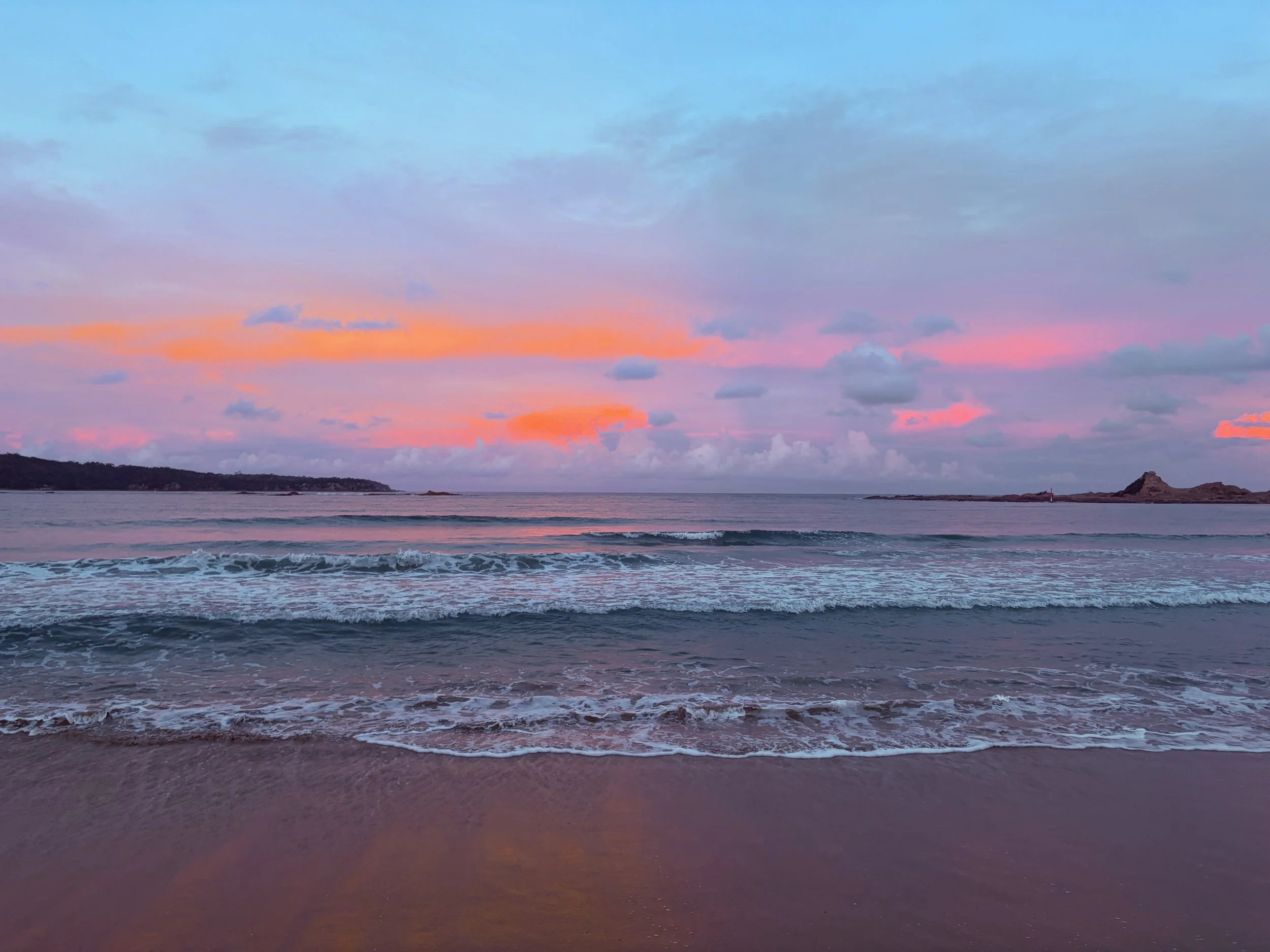
I found myself stopping to soak in the first big dose of nature once I got off the train. The Ilmenau River. I stayed here and breathed in as much as I could with my blocked nose. It reminded me of my visit to Gradierwerk at Kurpark several days earlier: a large tower built in 1907 exclusively for health purposes. I’d never seen anything like this before. The sign explained that salt water drips over bundles of blackthorn branches, resulting in a fine briny mist enriching the surrounding air. Apparently it has beneficial effects on the respiratory system, like a walk by the sea. What? Turns out there’s a thing called Thalassotherapy (thalassa meaning sea in Greek), which refers to the use of elements of the marine environment to improve physical health and wellbeing. So it’s not just the exercise that provides benefits on my daily beach walk, I’m also benefiting from the salty air too? Amazing. I need to head back to Gradierwek tomorrow; apparently it helps with respiration and I’m keen to ditch this cold.
I have been trying to explore this ‘self-in-place’-based knowing. Today was useful in learning to trust my senses. It was useful to confirm my experiences with research when I returned to my apartment. But I must also learn to trust my embodied experiences. I did feel unusually exhausted. I am feeling disconnected from nature. My body is seeking engagement with smells and experiences of nature. These sensations and experiences can be real, even when they are not (yet) affirmed by science.